
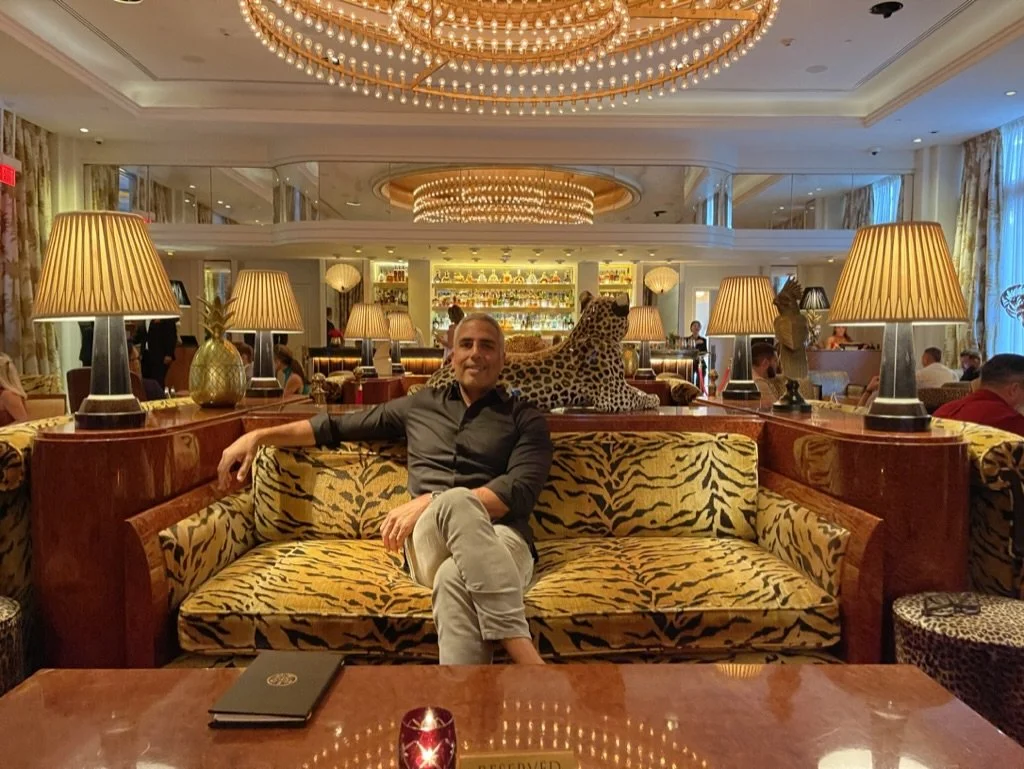
Confessions of a VC Who Can't Stop Pattern-Matching
I once told an interviewer that my portfolio includes "AI, robotics, quantum computing, and baby formula." He paused for a beat, clearly trying to figure out if I was joking. I was not.
If you looked at my investment history with no context, you'd think I have the attention span of a golden retriever at a tennis ball factory. Impossible Foods. Athletic Greens. SandboxAQ. Cirkul (the flavored water bottle that Gen Z can't put down). Flexport. Canyon Bikes. Kraken. A real estate portfolio spanning Santa Monica to Brooklyn. And yes, infant nutrition.
All companies named in this post are current or former portfolio holdings of Neman Ventures or its affiliates or a personal investment I have made through my family office.
But here's what I've learned after building two companies, exiting both, writing a book, and deploying capital across more than fifty startups: every single investment decision I make runs through the same pattern recognition engine. And that engine was built, improbably and irreversibly, in the New York City nightlife scene of the late 1990s and early 2000s.
Let me tell you what I mean.
The Nightclub as a Petri Dish for Consumer Behavior
When I was running JoonBug, I wasn't just throwing parties. I was conducting the world's most expensive, most chaotic, and most entertaining consumer behavior study ever designed.
Every night, I watched thousands of people make real time decisions with their wallets, their feet, and their emotions. Which room did they gravitate toward? What music kept them on the dance floor? What made them leave? What made them come back next week? What promotions drove ticket sales and which ones fell flat? What was the difference between a venue that felt "hot" and one that felt empty, even when both had the same number of people inside?
I didn't realize it at the time, but I was developing a skill that would become the backbone of everything I'd do as an investor: the ability to read a room before the room knows it's been read.
In nightlife, this skill kept us ahead of trends. We could tell within 30 minutes of a new venue opening whether it was going to be a hit or a flop. We could feel the energy shift in a room before anyone could articulate what had changed. We learned to trust our gut, but only after our gut had been calibrated by thousands of hours of data.
Today, I use the exact same instinct to evaluate startups. And sometimes it leads me to places that look, on the surface, completely random.
Pattern #1: Follow the Obsession, Not the Category
The first thing nightlife taught me about investing is that the best opportunities don't come from analyzing categories. They come from noticing when a specific group of people is irrationally obsessed with something.
At JoonBug, we noticed that our Halloween events consistently outsold everything else by 3x to 5x. Not because Halloween was inherently more profitable, but because people were obsessed with the idea of dressing up, becoming someone else for a night, and being seen doing it. The costume was the product. The party was just the distribution channel.
When I saw Cirkul, a Neman Family Office personal portfolio company, for the first time, my nightlife brain lit up. Here was a water bottle with flavor cartridges that you could dial up or down. Functionally, it was just flavored water. But the obsession around it, particularly among younger consumers, was off the charts. People were collecting cartridges, sharing their flavor combinations on social media, treating it like a lifestyle accessory rather than a hydration tool. That's not a water bottle company. That's a culture company with a water bottle attached.
Same thing with Athletic Greens, also a Neman Family Office personal portfolio company, (now AG1). I wasn't investing in a supplement. I was investing in the obsession around optimization. The biohacker crowd, the longevity enthusiasts (of which I am proudly one), the people who want a single daily ritual that makes them feel like they're taking control of their health. The powder is the product. The obsession is the moat.
Pattern recognition from nightlife: when you see a line around the block and the people in it are smiling, not complaining? That's your signal.
Pattern #2: The Infrastructure Play Tends to Win
This is maybe the most important lesson I took from JoonBug, and I've written about it before, but it bears repeating in this context.
I never owned a nightclub. Not once. I never wanted to. Because I understood very early that the club owners were in a terrible business: high fixed costs, razor thin margins, regulatory nightmares, and a product (the venue itself) that had a shelf life of maybe two to three years before the cool kids moved on.
Instead, I owned the infrastructure that powered the clubs. The database. The ticketing system. The email marketing platform. The photography distribution network. I was the operating system, and the clubs were the apps.
This insight has guided my investment decisions ever since. When I look at a startup, one of my first questions is: are you the club, or are you the infrastructure? Are you building something that depends on being cool and trendy (which is inherently fragile), or are you building something that other businesses depend on to operate (which is inherently durable)?
FORT Robotics, a Neman Ventures portfolio company, is a perfect example. They're not building the humanoid robots. They're building the safety and security layer that allows humanoid robots to operate in real world environments. That's infrastructure. As warehouses, factories, and hospitals begin deploying autonomous machines alongside humans, many of them may need the kind of safety layer that FORT provides. That's the JoonBug playbook: own the system, not the venue.
SandboxAQ, a Neman Ventures portfolio company, is the same story at a different scale. They're building the quantum AI platform that other companies will build on top of. Flexport, a Neman Family Office personal portfolio company, was the logistics infrastructure play. Gupshup, a Neman Family Office personal portfolio company, was the messaging infrastructure play.
See the pattern?
Pattern #3: The Crowd Tells You What It Wants (If You're Paying Attention)
One of the most valuable skills I developed at JoonBug was the ability to extract signal from noise. Every night, our photographers would capture thousands of images. Our database would register thousands of signups. Our ticketing platform would process hundreds of transactions. And in all that chaos, there were patterns.
Women 22 to 28 in the Upper East Side preferred electronic music events at intimate venues. Men 28 to 35 in Midtown would pay premium prices for New Year's Eve but skip most other holidays. Bridge and tunnel crowds from Long Island responded to different promotional language than Manhattan residents. Hip hop nights drew different demographics than house music nights, and the overlap was smaller than you'd think.
I was essentially doing data science before "data science" was a job title. And that training made me a fundamentally different kind of investor.
When I evaluate a startup's pitch deck, I'm not just looking at the TAM slide or the revenue projections. I'm looking at the customer data. Who are these people? What's their behavior? Are they repeat buyers or one-time users? Is the usage growing organically or only through paid acquisition? Are customers telling their friends, or are they keeping it to themselves?
People ask how a nightlife guy writes a check into baby formula, but it was one of the easiest reads I've done in years. I was watching millennial and Gen Z parents read ingredient labels like their kid’s life depends on it (because they believe it does), compare European formulas to American ones on Reddit at 3am, smuggle products across borders, and trade tips in group chats. That's not shopping behavior. That's devotion. And devotion is the single most valuable signal a market can give you.
The same instinct that told me a downtown loft party was going to pop on a Tuesday night told me Nara Organics, a Neman Ventures portfolio company, was going to work. These parents weren't asking for a slightly better version of what the legacy brands were selling. They were telling anyone who'd listen that they wanted cleaner sourcing, better science, and something they could actually trust to feed their kids. I wasn't analyzing a baby formula company. I was reading a room. And the room was loud.
The crowd tells you everything. You just have to learn how to listen.
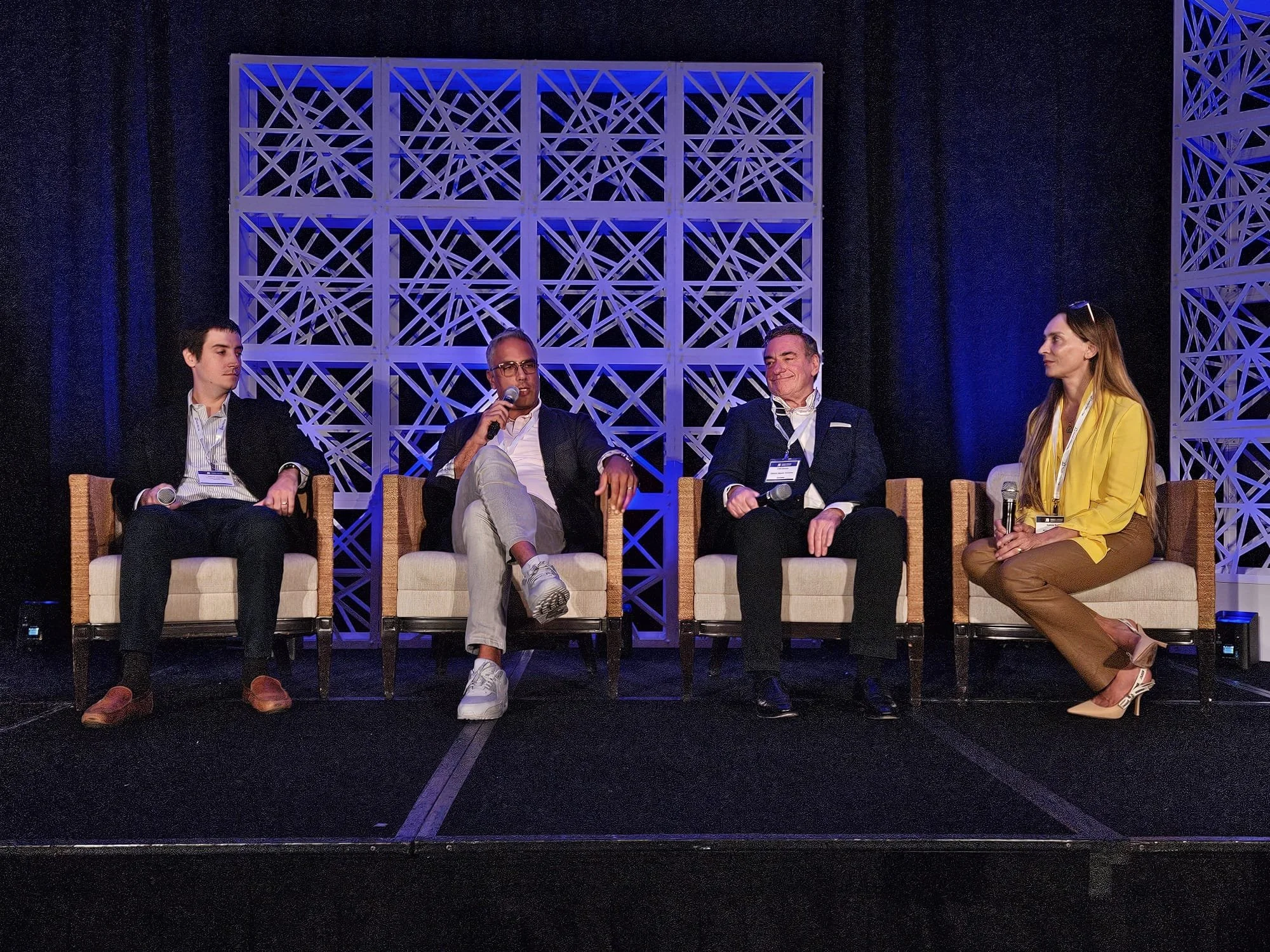
Pattern #4: Asymmetric Bets Are the Only Bets Worth Making
In nightlife, the economics were simple and brutal. You'd spend $20,000 producing an event. If it worked, you'd make $200,000. If it flopped, you'd lose every penny. There was very little middle ground.
That's an asymmetric bet. The downside is capped (you lose your production budget) but the upside is 10x or more. And after years of making these bets at JoonBug, I developed an almost instinctive feel for which events had that asymmetric profile and which ones were risky for the sake of being risky.
Now I apply the same lens to venture investing. Every check I write, I ask myself: what's the realistic downside, and what's the realistic upside? If the downside is losing my entire investment (which in venture is always on the table) but the upside is a significant multiple of the original investment, and I have genuine conviction in the thesis, that's a bet I want to make. If the upside is 3x and the downside is total loss, the math doesn't work no matter how good the pitch deck is.
The key phrase there is "genuine conviction." Asymmetric bets only work if you've done the work to understand why the upside is real. Otherwise, you're just gambling. And I've done enough gambling in my life (I wrote a whole blog about playing the lottery) to know the difference.
The Weird Ones Are Usually Right
I want to end with this, because it might be the most important pattern of all.
In nightlife, the people who seemed the most out of place, the ones who didn't fit any obvious category, were often the most interesting people in the room. The tech nerd at a hip hop club. The Wall Street suit at a rave. The drag queen at a corporate event. These were the people who brought unexpected energy, who sparked conversations that wouldn't have happened otherwise, who made the night memorable.
The same thing is true in investing. The deals that seem a little weird, the ones that don't fit neatly into a category, the ones where the founder is doing something that makes traditional VCs squint in confusion, those are often the most interesting opportunities.
A baby formula company like Nara Organics, a Neman Ventures portfolio company, doesn't look like it belongs in a portfolio next to quantum computing. A flavored water bottle doesn't look like it belongs next to defense technology. A Ferris wheel on a pier doesn't look like it belongs next to humanoid robotics.
But that's exactly the point. The best rooms I ever curated at JoonBug were the ones where the mix was unexpected. Where the crowd didn't make sense on paper but felt electric in person.
That's my portfolio. It doesn't make sense on paper. But it feels right. And after enough years of pattern matching at 2am in Manhattan, I've learned to trust that feeling.
Even when it leads me to baby formula.
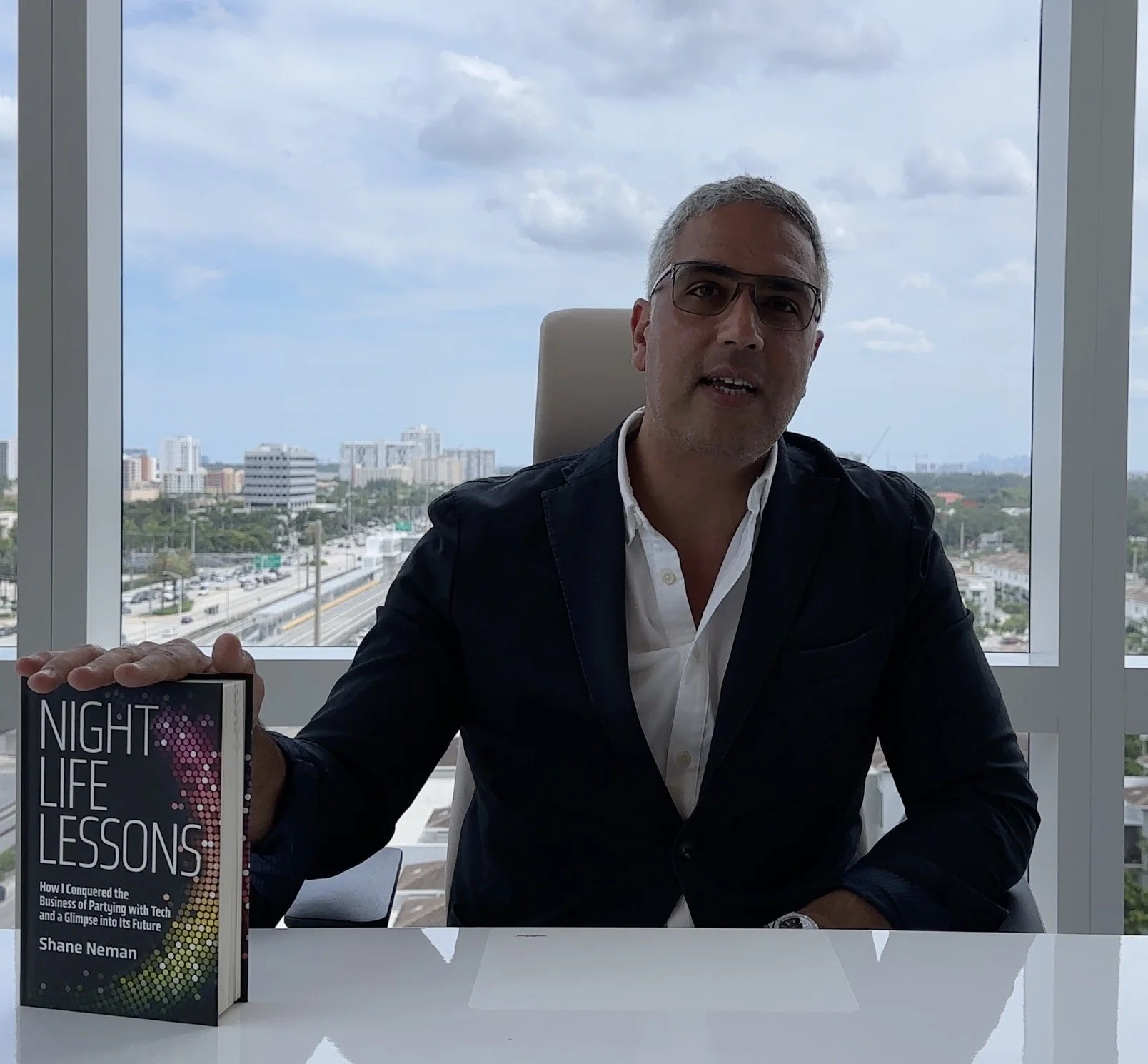
Disclosures: Shane Neman is the Manager and General Partner of Neman Ventures LLC, an SEC registered exempt reporting adviser (CRD# 330770). The companies discussed in this post, including Impossible Foods, Athletic Greens (AG1), SandboxAQ, Cirkul, Flexport, Canyon Bikes, Kraken, FORT Robotics, Gupshup, and Nara Organics, are current or former portfolio holdings of Neman Ventures or its affiliated entities or personal investments Shane has made through his Family Office. This blog post reflects the personal opinions of the author and is provided for informational and educational purposes only. Nothing in this post constitutes investment advice, a recommendation, or a solicitation to buy or sell any security. Past performance is not indicative of future results. All investments involve risk, including the potential loss of principal. Specific companies are referenced for illustrative purposes only and should not be construed as endorsements or recommendations to invest in any particular company or security. Neman Ventures LLC and its affiliates have a financial interest in the companies discussed herein, which presents a conflict of interest that readers should consider when evaluating the opinions expressed.
